How Many Ounces in a Cup? (Fluid vs Dry, US vs UK)
“How many ounces in a cup?” sounds simple, but the answer depends on whether you mean fluid ounces (volume) or ounces by weight, and which country’s cup you’re using. Here’s the short answer, then the details that stop recipes going wrong.
Quick answer
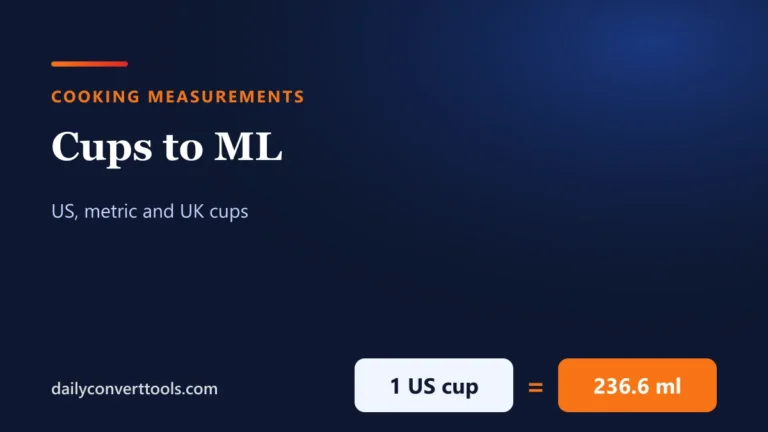
- 1 US cup = 8 US fluid ounces (about 237 ml).
- That’s a volume measurement. A cup of a dry ingredient weighs a different number of ounces depending on what it is.
- US nutrition labels round a cup to 240 ml, and metric cups (Australia, Canada, New Zealand) are 250 ml.
Fluid ounces vs dry ounces
A fluid ounce measures volume: how much space something takes up. An ounce (avoirdupois) measures weight. They only line up for water and similar liquids: a cup of water weighs about 8.3 ounces.
Dry ingredients are different. A cup of flour weighs much less than a cup of sugar, because flour is lighter and fluffier. That’s why baking recipes that give weights (grams or ounces) are more reliable than cups. If a recipe lists flour in ounces, use a kitchen scale rather than a measuring cup.
Cups to fluid ounces chart (US)
| US cups | US fluid ounces | Millilitres |
|---|---|---|
| 1/8 cup | 1 fl oz | 30 ml |
| 1/4 cup | 2 fl oz | 59 ml |
| 1/3 cup | 2.67 fl oz | 79 ml |
| 1/2 cup | 4 fl oz | 118 ml |
| 2/3 cup | 5.33 fl oz | 158 ml |
| 3/4 cup | 6 fl oz | 177 ml |
| 1 cup | 8 fl oz | 237 ml |
| 1 1/2 cups | 12 fl oz | 355 ml |
| 2 cups | 16 fl oz | 473 ml |
| 3 cups | 24 fl oz | 710 ml |
| 4 cups | 32 fl oz | 946 ml |
US, metric and UK cups
| Cup | Millilitres | US fluid ounces |
|---|---|---|
| US customary cup | 236.6 | 8 |
| US nutrition-label cup | 240 | 8.12 |
| Metric cup (AU, CA, NZ) | 250 | 8.45 |
| Old imperial cup (UK, 10 imp fl oz) | 284.1 | 9.61 |
The 240 ml cup comes from US nutrition labelling rules (21 CFR 101.9). For most recipes, the difference between a 237 ml and 250 ml cup won’t matter, but it can add up in baking.
How to measure a cup accurately
- Liquids: use a clear liquid measuring jug on a flat surface and read the line at eye level.
- Dry ingredients: spoon the ingredient into a dry measuring cup and level it with a knife. Scooping straight from the bag packs it down and can add 20% or more.
- Sticky ingredients like honey: lightly oil the cup so it all slides out.
Common mistakes
- Assuming 8 oz of flour is 1 cup. A cup of flour weighs far less than 8 ounces.
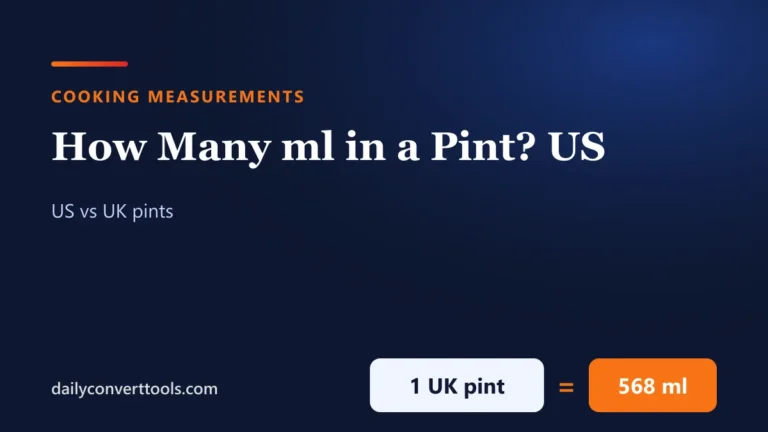
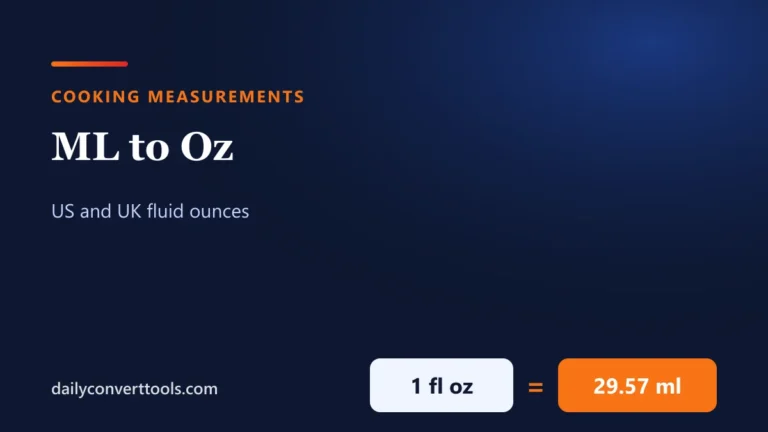
- Mixing US and UK fluid ounces. A UK fluid ounce is slightly smaller (28.41 ml vs 29.57 ml).
- Using a coffee mug as a cup. Mugs often hold 10–16 fl oz.
Frequently asked questions
How many ounces are in a cup of water?
8 fluid ounces by volume, which weighs about 8.3 ounces.
How many ounces in half a cup?
4 fluid ounces.
How many cups is 16 oz?
16 fluid ounces is 2 US cups (one US pint).
Is a cup 8 oz everywhere?
No. A metric cup (250 ml) is about 8.45 US fl oz, and an old imperial cup is about 9.6 US fl oz.